Space Commitments That Adapt to Business Reality
Flexible Office Lease Terms in South Hadley for Companies Needing Adaptable Space Arrangements
Standard commercial leases lock businesses into three-to-five-year commitments with rigid terms that do not account for economic shifts, seasonal revenue patterns, or growth trajectories that change faster than lease periods allow. You need office space but cannot predict whether your staffing, client base, or operational model will remain stable long enough to justify multi-year obligations. Office Rentals by Chapdelaine Properties structures flexible office lease terms that include month-to-month and short-term options, allowing businesses to secure professional workspace without committing to timelines that may not align with actual operational needs.
These arrangements work particularly well for startups testing market viability, seasonal businesses adjusting to Pioneer Valley's economic fluctuations, and established companies navigating transitions in staffing or service delivery. Lease flexibility allows you to scale space up or down as revenue changes, without paying penalties for early termination or losing deposits when business conditions shift unexpectedly.
Schedule a property tour to review available office configurations and discuss lease structures that match your business timeline.
Why Lease Flexibility Matters for Business Stability
Month-to-month leases require 30 to 60 days' notice for changes, while short-term agreements run for six months to a year with renewal options rather than automatic extensions. This structure gives you the ability to respond to contract losses, hiring changes, or market conditions without being trapped in lease obligations that drain cash flow during slow periods. Over 60 years of working with local businesses, Office Rentals by Chapdelaine Properties has seen how economic cycles affect different industries at different times, and flexible lease terms accommodate these realities rather than forcing companies to choose between paying for unused space or breaking expensive contracts.
You notice that lease adjustments happen through straightforward conversations with the property owner rather than through legal negotiations with corporate landlords who apply strict interpretation of multi-year agreements. Tenants who need to downsize during off-seasons can shift to smaller spaces, while those experiencing growth can expand into adjacent offices without waiting for lease expiration dates. This responsiveness creates long-term tenant relationships, with many businesses remaining in Office Rentals by Chapdelaine Properties for 20 years or more precisely because the lease terms adapt to changing circumstances.
Flexible leases include standard provisions for rent, utilities, and maintenance responsibilities, but they allow modifications to office layouts or shared space usage based on specific business needs. They do not include built-in escalation clauses or automatic rent increases tied to market rates, so lease costs remain predictable even during short-term arrangements.
Common Questions About Flexible Leasing
Businesses considering flexible lease arrangements often need clarity on how these agreements differ from standard commercial leases and what level of security they provide for operational planning.
What happens if my business grows faster than expected?
Flexible lease terms allow you to expand into additional office space within the same property as it becomes available, without waiting for lease renewal periods or renegotiating entire agreements.
How does month-to-month leasing affect rent stability?
Month-to-month leases provide flexibility for tenants while maintaining consistent rent rates that do not fluctuate from month to month, with any adjustments discussed in advance rather than imposed through automatic escalation clauses.
Why do seasonal businesses in South Hadley need flexible leases?
Pioneer Valley's economy includes tourism-dependent businesses, academic services tied to college schedules, and agricultural operations that experience revenue swings requiring the ability to reduce overhead during slow months without breaking long-term contracts.
Can I modify office layouts under short-term leases?
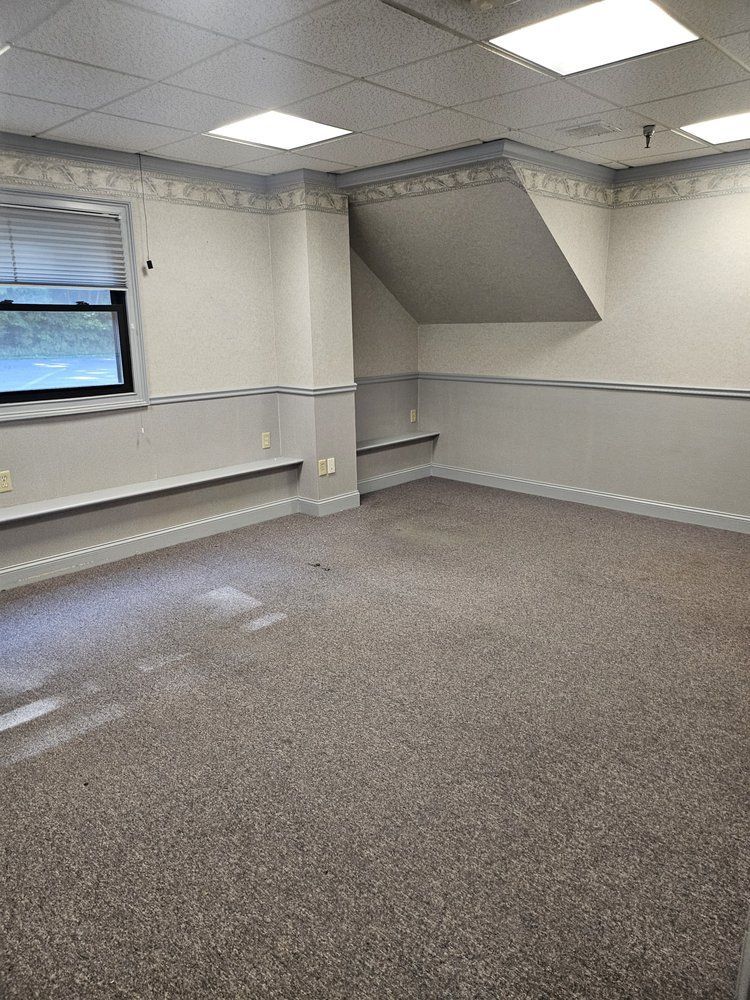
Chapdelaine Properties has a long history of accommodating tenant modifications for partitions, shelving, and workspace configurations, with the understanding that businesses need functional layouts even when lease terms remain adaptable.
What kind of notice is required to change lease arrangements?
Typical notice periods range from 30 to 60 days depending on the specific agreement, which provides enough time for property planning while allowing businesses to respond to changing conditions without excessive lead time.
Flexible office lease terms at Office Rentals by Chapdelaine Properties reflect more than six decades of experience working with businesses through economic cycles, ownership transitions, and market changes. Arrange a consultation to discuss lease structures that support your current operations and future planning.